
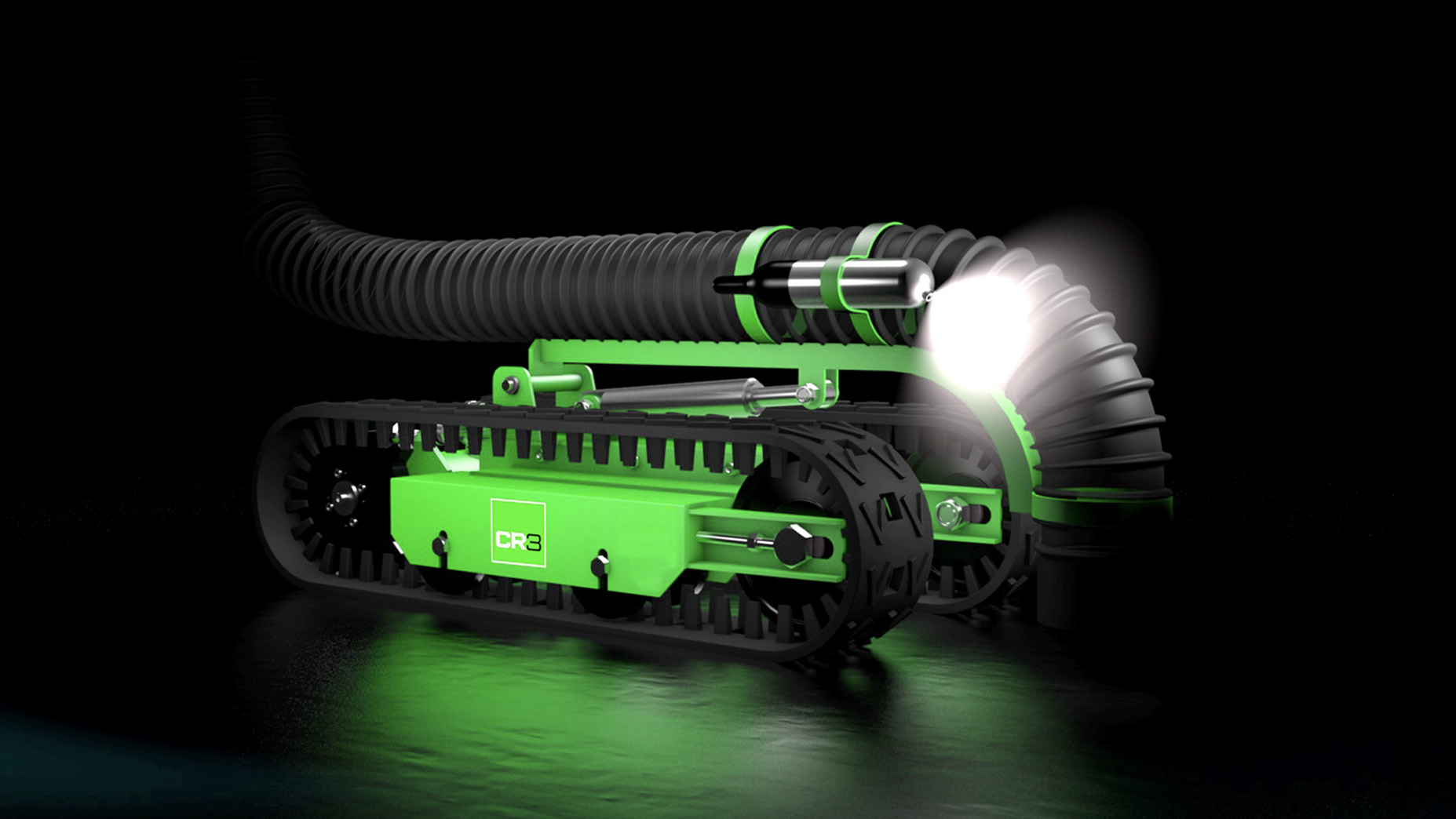
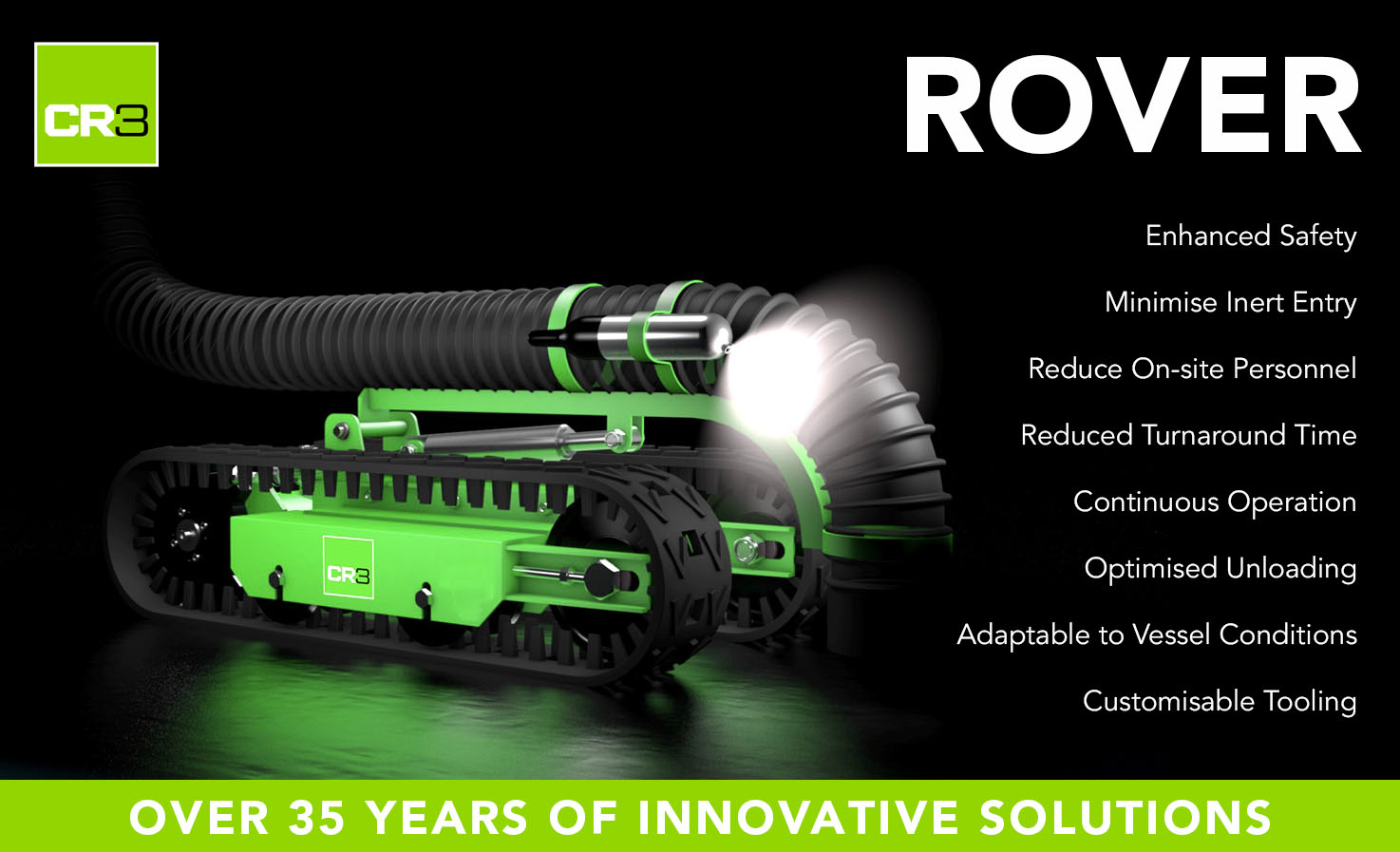
A recent example is our completion of a major catalyst change-out project for a leading multinational oil and gas company on their offshore platform, where two mercury removal units created hazardous, confined spaces and strict operational demands.
Historically, removing catalyst from vessels like these has meant sending people into confined spaces contaminated with mercury, arsenic, and other toxins. Robotic handling removes that need. On this project, the CR3 Rover carried out the work without any personnel entry, maintaining consistent progress in conditions previously inaccessible or too hazardous for manual work.
The project required custom engineering of a Zone-rated CR3 Rover, designed to navigate the 20-inch manways. Fitted with specialised pneumatic tools for catalyst extraction and an explosion-proof integrated camera, the Rover operates entirely under remote control from a secure location. This allows real-time visual monitoring and continuous operation while keeping personnel out of the hazardous zone.
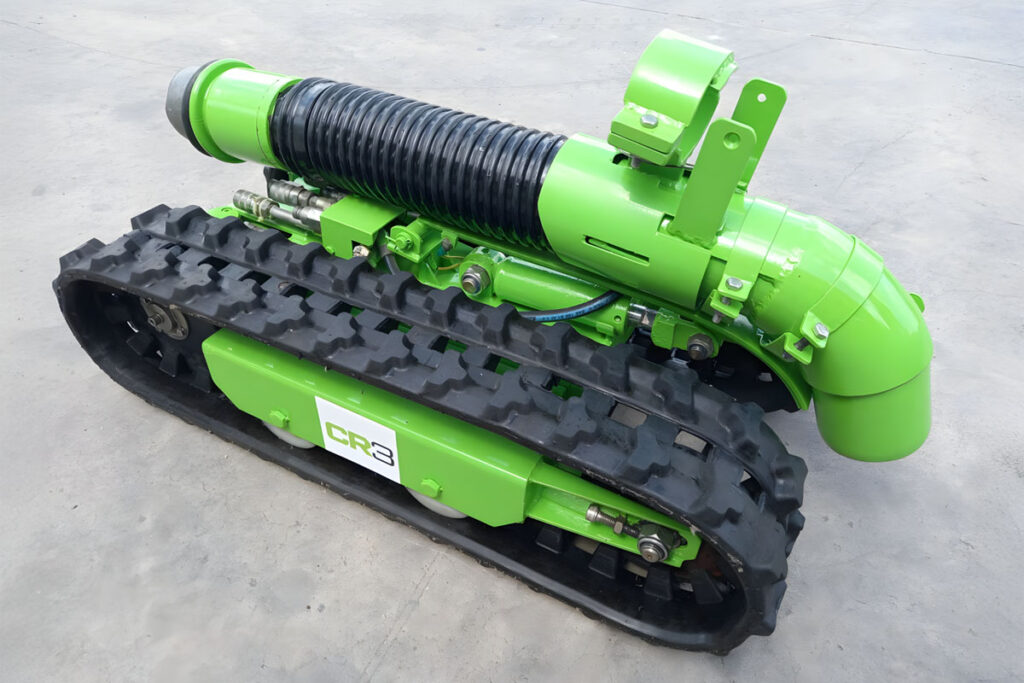
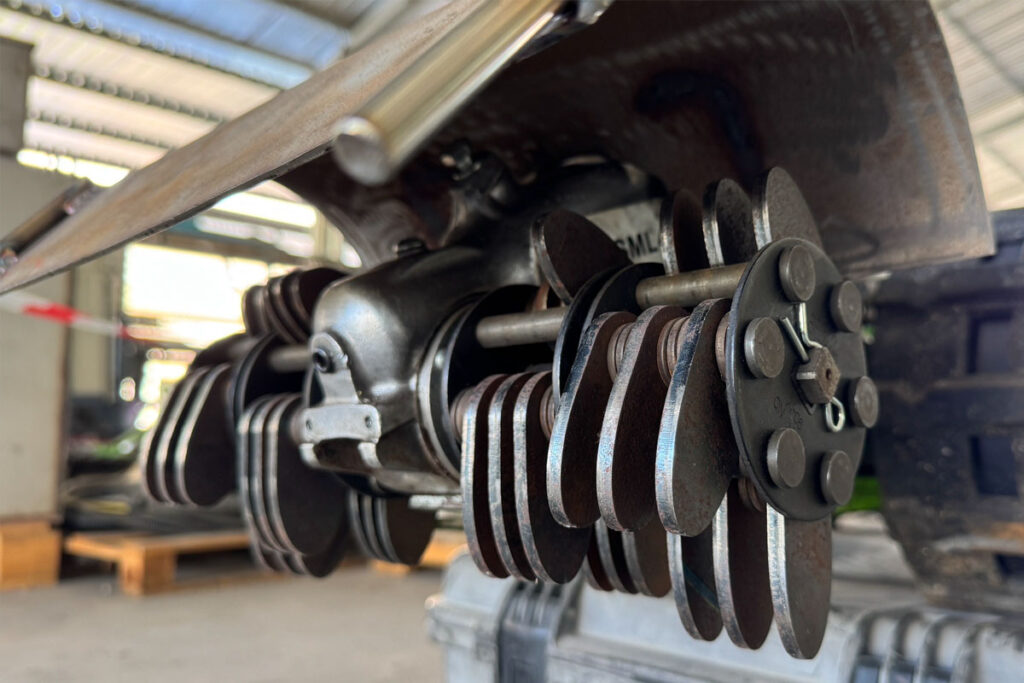
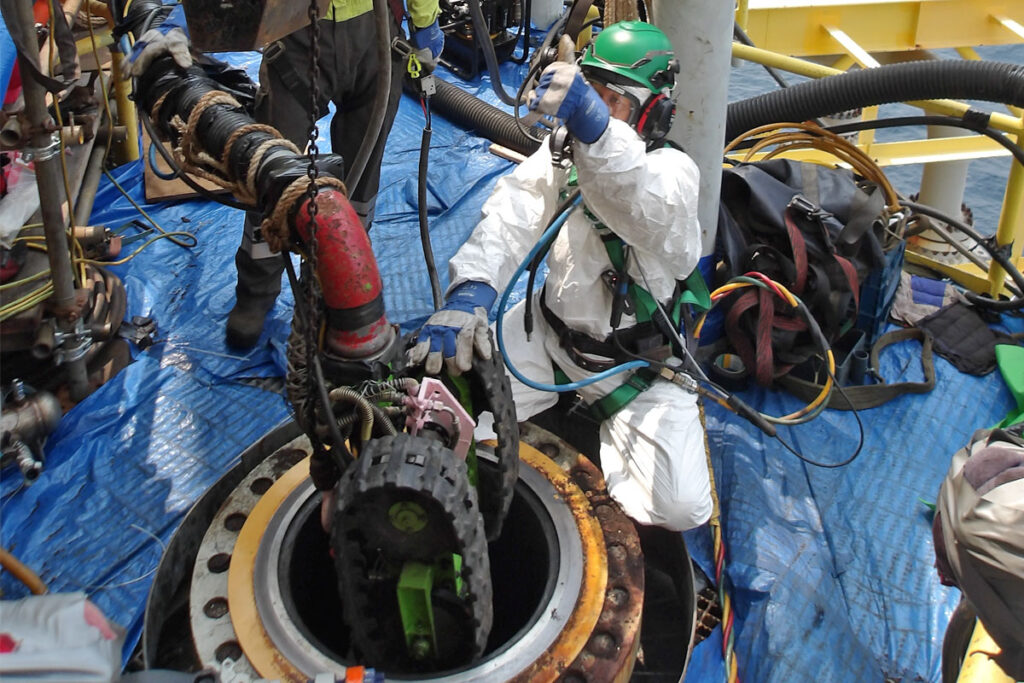
The project met its objectives across both safety and schedule. By eliminating personnel entry into the hazardous zones, the CR3 Rover removed the risk of personnel exposure while operations continued. This kept the maintenance window on track and delivered operational and cost advantages for the client.
As regulatory frameworks increasingly reduce human exposure in hazardous environments and operators seek greater operational reliability, the industry is adopting robotic solutions as standard practice rather than the exception. This project demonstrates CR3’s expertise in automated catalyst removal. CR3 operates a fleet of purpose-built Rovers built for exactly this kind of work.
Contact CR3 to discuss how advanced robotic solutions can benefit your next project: